Proudly Serving Augusta, Rockingham, Albemarle Counties and surrounding areas


Why Strange Furnace Noises Should Never Be Ignored: A Guide for Shenandoah Valley Homeowners

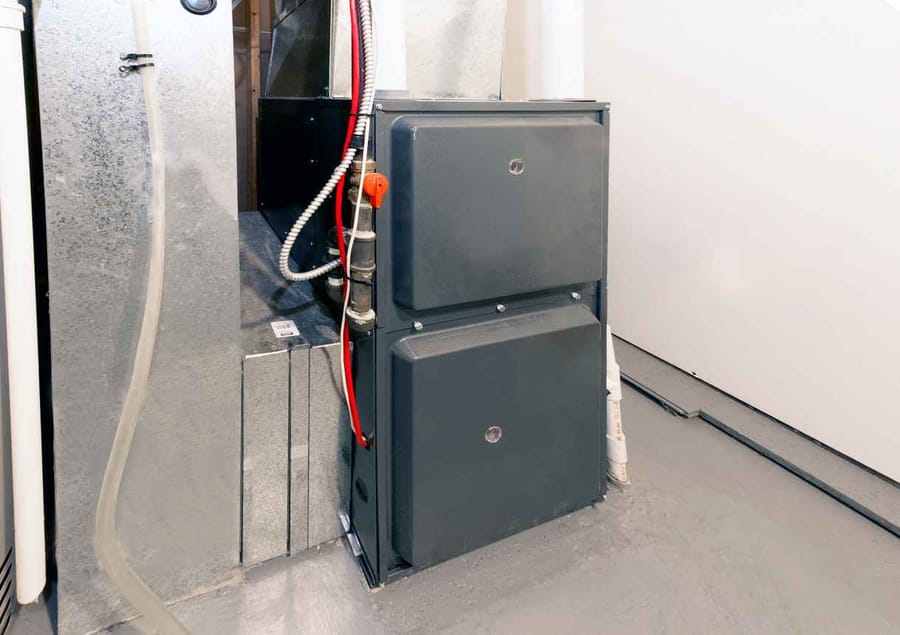
A furnace should operate with minimal noise, especially once it has completed its startup cycle. When unusual sounds begin to appear, they are often the first sign that something is not working as it should. For homeowners in the Shenandoah Valley, strange furnace noises can indicate developing mechanical issues, airflow problems, or safety concerns that deserve prompt attention.
Ignoring unusual furnace sounds can allow small problems to grow into major repairs or unexpected system failures. Because furnaces work harder during cold Shenandoah Valley winters, even minor issues can escalate quickly under continuous use. Understanding why these noises occur and what they may signal helps homeowners protect comfort, efficiency, and safety throughout the heating season.
Why Furnace Noises Are a Warning Sign
Furnaces are designed to run smoothly and predictably, so changes in sound are rarely random. Unusual noises often mean that a component is loose, worn, or under stress. Catching these warning signs early can prevent more serious damage and reduce the risk of a breakdown during cold weather.
How Furnaces Are Designed to Sound During Normal Operation
During normal operation, a furnace may make soft, brief sounds as it starts up or shuts down. These can include a gentle hum from the blower motor or a short click when the system turns on or off. Once running, the system should remain relatively quiet and consistent.
Sounds that are typically considered normal include:
-
A low, steady airflow noise
-
A brief ignition sound at startup
-
Light expansion noises as metal warms
Why Noises Often Appear Before System Failure
As furnace components age or loosen, they often create noise before they fail completely. Bearings wear down, belts lose tension, and parts shift slightly out of place. These changes cause sounds that act as early warnings, giving homeowners a chance to address problems before they lead to major repairs or safety concerns.
Common Furnace Noises and What They Mean
Different furnace noises often point to different types of problems. Paying attention to the sound and when it occurs can help identify what may be going wrong inside the system.
Banging, Popping, or Booming Sounds
Loud bangs or pops can occur when ductwork expands and contracts, but they may also signal more serious issues. A booming sound at startup can indicate delayed ignition, which should be addressed quickly for safety reasons.
These noises are often linked to:
-
Dirty burners
-
Gas buildup before ignition
-
Expanding metal ductwork
Squealing or Screeching Noises
High pitched squeals or screeches usually come from moving parts inside the furnace. These sounds often point to friction or wear that can worsen if left untreated.
Common causes include:
-
Worn motor bearings
-
Loose or failing belts
-
Strain on the blower motor
Rattling or Vibrating Sounds
Rattling noises often indicate loose panels, screws, or internal components. While some rattles may seem minor, they can allow parts to shift further out of place over time.
Possible causes include:
-
Loose access panels
-
Unsecured hardware
-
Components vibrating due to imbalance
How Shenandoah Valley Conditions Contribute to Furnace Issues
Local climate and housing characteristics play a role in how furnaces perform and wear over time. In the Shenandoah Valley, colder winters and older housing stock can place added stress on heating systems, making unusual noises more likely to develop.
Cold Winters and Increased Furnace Runtime
Winters in the Shenandoah Valley often require furnaces to run for extended periods. Longer heating cycles increase wear on motors, blowers, and internal components. As parts experience more stress, they are more likely to loosen or wear unevenly, which can result in new or louder operating noises.
Older Homes and Aging Heating Systems
Many homes in the Shenandoah Valley were built decades ago and may still rely on older furnaces or ductwork. Aging systems and outdated installation standards can contribute to airflow restrictions, loose components, and increased vibration. These factors often make unusual sounds more noticeable and more frequent as systems age.
Risks of Ignoring Strange Furnace Noises
Strange furnace noises are rarely harmless. When unusual sounds are ignored, underlying issues often continue to worsen, leading to more expensive repairs and potential safety concerns. Addressing noises early can help prevent unexpected breakdowns during the coldest months.
Higher Repair Costs Over Time
What starts as a loose component or minor wear issue can turn into major system damage if left unaddressed. Continued operation puts added stress on surrounding parts, increasing the scope and cost of repairs.
Ignoring furnace noises can lead to:
-
Damage to major components like motors or heat exchangers
-
Emergency repair calls during peak winter demand
-
Shortened system lifespan
Comfort, Efficiency, and Safety Concerns
A noisy furnace often operates less efficiently, which can result in uneven heating and higher energy bills. More importantly, certain noises can indicate safety issues, such as gas ignition problems or airflow restrictions.
Potential risks include:
-
Reduced heating performance
-
Increased energy consumption
-
Carbon monoxide or fire hazards
What Homeowners Should Do When They Hear Unusual Noises
When a furnace starts making unfamiliar sounds, taking the right steps quickly can help prevent further damage and protect your home. Knowing how to respond can make the difference between a simple repair and a major system failure.
When to Turn Off the Furnace
Some noises signal problems that require immediate attention. If you hear loud banging, persistent screeching, or any sound accompanied by a burning smell or loss of heat, turning off the furnace is the safest option.
Situations that call for shutting the system down include:
-
Repeated booming or banging sounds
-
Strong odors or visible smoke
-
Sudden drops in heating performance
Why Professional Diagnosis Matters
Furnace noises often come from issues that are not visible from the outside. A professional inspection can identify the exact cause, address the problem safely, and prevent repeat failures. Proper diagnosis also ensures that repairs restore efficiency and maintain safe operation throughout the heating season.
Address Furnace Noises Early with Fixed HVAC & Plumbing
Strange furnace noises are never something Shenandoah Valley homeowners should ignore. These sounds often signal developing mechanical issues, airflow problems, or safety concerns that can worsen quickly during cold weather. Addressing unusual noises early helps prevent costly repairs, improves efficiency, and reduces the risk of unexpected breakdowns when heat is needed most.
Taking action at the first sign of trouble can save time, money, and stress throughout the heating season. A professional evaluation ensures the issue is identified correctly and resolved safely.
If your furnace is making unfamiliar sounds, Fixed HVAC & Plumbing can help diagnose the problem and restore quiet, reliable operation to your home. Reach out to us today to schedule your service.