Proudly Serving Augusta, Rockingham, Albemarle Counties and surrounding areas



Common Warning Signs of a Hidden Plumbing Leak in Your Shenandoah Valley Home

Hidden plumbing leaks can cause serious damage long before homeowners realize a problem exists. In the Shenandoah Valley, changing seasons, older home construction, and shifting soil conditions all increase the likelihood of slow, concealed leaks in walls, floors, and underground lines. Because these leaks often remain out of sight, they continue to drip for weeks or months, creating costly repairs and long term moisture issues.
Catching a hidden leak early can protect your home from mold, structural damage, and rising water bills. This guide explains the most common warning signs of a hidden plumbing leak in your Shenandoah Valley home, helping you recognize problems before they become major emergencies.
Unexplained Increases in Your Water Bill
One of the earliest signs of a hidden plumbing leak is a sudden rise in your monthly water bill. Even a slow, steady drip behind a wall or under a floor can waste hundreds of gallons of water without leaving obvious evidence. In Shenandoah Valley homes, seasonal temperature changes and aging plumbing can cause tiny cracks or loose fittings that leak continuously over time.
Tracking Patterns in Your Monthly Bill
Reviewing your water bill each month helps you spot unusual spikes in usage. If your family size and water habits have stayed the same, but the bill keeps climbing, a hidden leak is often the cause. Many leaks remain small enough that you will not hear or see water, but the utility bill will show the change long before any visible damage appears.
When to Suspect a Leak Instead of a Usage Change
If you have not filled a pool, watered the lawn more than usual, or had guests staying in your home, a higher bill deserves attention. A spike that continues for more than one billing cycle is a strong indicator of a concealed leak. Professional leak detection can pinpoint the source before it grows into a costly repair.
Musty or Damp Odors in Certain Areas
A lingering musty smell is one of the most common indicators of a hidden plumbing leak. Moisture trapped behind walls or under flooring creates the perfect environment for mold and mildew, which release distinct odors as they grow. In Shenandoah Valley homes, naturally higher humidity during parts of the year can intensify these smells and make them easier to notice.
Rooms Most Likely Affected
Bathrooms, laundry rooms, basements, and kitchens are the areas where musty odors appear most often. These spaces already deal with frequent moisture, which means even a small leak can create damp pockets that never fully dry. If the odor is strongest near cabinets, closets, or interior walls, water may be leaking in a hidden location.
Odors That Signal Mold or Long Term Moisture
A strong, earthy, or damp smell usually means moisture has been present for several days or longer. Sharp, mildew like odors point to active mold growth, which requires immediate attention. Mold can spread quickly in the Shenandoah Valley climate, especially during warm months. If the odor persists even after cleaning, it is likely caused by a leak behind the surface.
Water Stains on Walls, Ceilings, or Floors
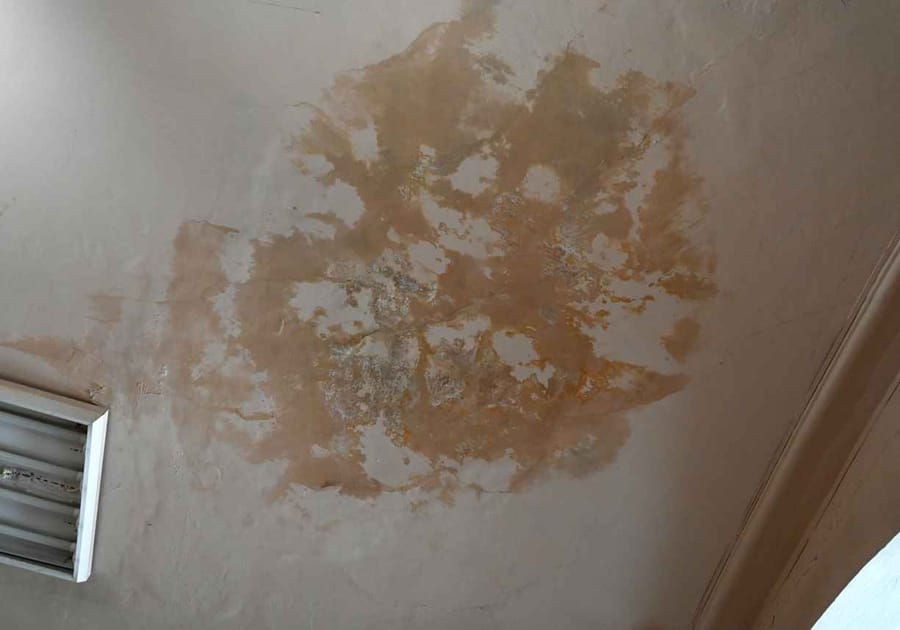
Water stains are one of the most visible signs of a hidden plumbing leak. These stains often appear long after the leak begins, which means moisture has already been spreading behind the surface. In Shenandoah Valley homes, seasonal temperature swings and older plumbing lines can cause slow leaks that leave discoloration on drywall, ceilings, or flooring.
Understanding Discoloration Patterns
Water stains usually show up as yellow, brown, or soft gray spots that gradually expand over time. If the stain feels damp or changes in shape, the leak may still be active. On ceilings, round stains often indicate a leak directly above the spot, while streaks down walls may point to a pipe dripping over an extended area.
When Stains Mean Structural Risk
A stain that continues to grow, feels soft to the touch, or causes the surrounding material to bubble or sag is a sign of significant moisture damage. Prolonged exposure to water can weaken drywall, rot wooden framing, and create ideal conditions for mold. Stains on floors, especially near bathrooms or kitchens, may indicate a slow leak beneath tile or hardwood, which requires prompt inspection to prevent long term structural issues.
Decreased Water Pressure in Your Fixtures
A sudden drop in water pressure is another common warning sign of a hidden plumbing leak. When a pipe is cracked, loose, or leaking behind a wall or under a floor, water is diverted away before it reaches your sinks, showers, or appliances. In Shenandoah Valley homes, pressure changes often appear before any visible signs of water damage, making this an important early indicator.
Parts of the Home Most Affected
Leaks in supply lines typically affect multiple fixtures at once. If you notice weaker pressure in more than one bathroom, kitchen fixture, or laundry appliance, the leak may be located in a main water line. Localized pressure loss, such as one slow faucet or showerhead, often points to a smaller pipe or fixture specific leak hiding behind a nearby wall.
When Pressure Changes Indicate a Pipe Issue
A leak large enough to reduce water pressure usually means the pipe has been damaged long enough for the opening to widen. If pressure drops suddenly, you may be dealing with a growing leak that needs quick attention to prevent a burst pipe. Continued pressure loss combined with unusual sounds or stains is a strong sign that a professional inspection is needed as soon as possible.
Warped Flooring or Bubbling Paint
Hidden plumbing leaks often reveal themselves through subtle changes in your home’s surfaces. When moisture collects beneath flooring or behind painted walls, the materials begin to deform, warp, or bubble. In Shenandoah Valley homes, seasonal humidity can speed up this process, making surface changes appear sooner and spread more quickly than many homeowners expect.
Early Signs of Hidden Water Beneath Flooring
Water that seeps under tile, hardwood, or laminate flooring causes boards to swell, lift, or feel uneven underfoot. You may notice soft spots, slight buckling, or areas that sound hollow when walked on. These symptoms usually mean water has been collecting for some time and is now altering the structure of the floor. Because flooring materials absorb moisture differently, some changes may be subtle at first but worsen rapidly.
Paint and Drywall Symptoms Homeowners Overlook
Moisture behind walls causes paint to bubble, peel, or flake away from the surface. Drywall may start to warp, crack, or crumble as the water weakens the material. Homeowners sometimes assume these issues come from age or poor ventilation, but they often signal an active plumbing leak behind the wall. If the bubbling or warping expands over time, the leak is likely ongoing and needs immediate attention.
Sounds of Running Water When Everything Is Off
Hearing water when no fixtures are in use is one of the strongest indicators of a hidden plumbing leak. These sounds often occur inside walls, under floors, or beneath the home, making them easy to dismiss at first. In Shenandoah Valley homes, where many properties have aging plumbing or extended crawl spaces, these noises can be an early warning sign that water is escaping somewhere out of sight.
Distinguishing Plumbing Noise from HVAC Noise
It is common for homeowners to confuse the sound of water movement with HVAC or ductwork noises. Plumbing leaks usually produce steady or intermittent trickling, tapping, or soft rushing sounds, even when your air conditioning or heating system is off. HVAC noises, on the other hand, tend to be louder, more mechanical, and linked to system operation. If you hear water when both plumbing fixtures and HVAC equipment are inactive, a hidden leak is likely.
Sounds That Need Immediate Attention
Consistent noise that resembles running water, especially at night when the home is quiet, often points to an active leak. Gurgling or hissing sounds inside walls may indicate that water is escaping under pressure. If you hear water near the base of walls, in crawl spaces, or along ceilings, the leak may already be spreading. Quick professional inspection is important to prevent mold, structural damage, or a sudden pipe failure.
Protect Your Shenandoah Valley Home from Hidden Leak Damage
Hidden plumbing leaks can cause costly and long lasting damage if they are not found early. Whether the warning signs are subtle or obvious, taking quick action helps prevent mold growth, structural deterioration, rising water bills, and unexpected repair expenses. Shenandoah Valley homes experience seasonal weather changes and soil shifts that make fast leak detection even more important.
Fixed HVAC & Plumbing provides professional leak detection and expert repair services designed to locate hidden water problems before they escalate. Our technicians use advanced tools and precise diagnostic methods to find the source of moisture, protect your home, and restore peace of mind. If you suspect a hidden leak or notice any of the warning signs in this blog, schedule an inspection today to safeguard your home from future damage.