Proudly Serving Augusta, Rockingham, Albemarle Counties and surrounding areas



How Valley Temperature Inversions Affect Heating and Cooling Efficiency

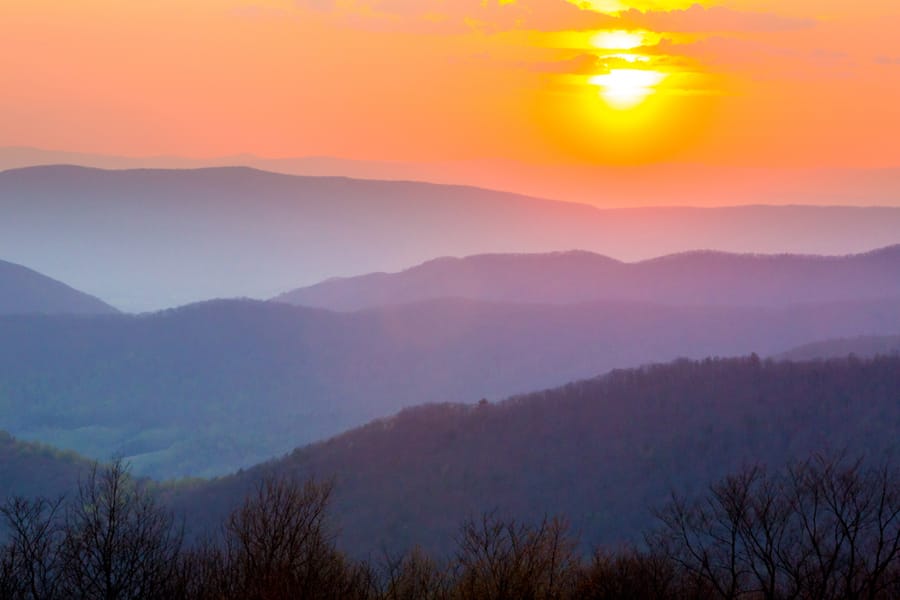
Living in the Shenandoah Valley means experiencing some of the most dramatic landscapes in Virginia. From the crest of the Blue Ridge to the winding banks of the Shenandoah River, our geography is a source of pride for everyone from Winchester to Harrisonburg. However, the very ridges that define our horizon also create a unique atmospheric phenomenon known as a temperature inversion. Many local homeowners have noticed that on clear, quiet mornings, it can feel biting and frosty in the valley while a few hundred feet up the mountainside, the air is surprisingly mild. This happens when the normal rules of the atmosphere are flipped: cold, heavy air sinks to the valley floor and gets trapped under a lid of warmer air. At Fixed HVAC & Plumbing, we see how these events directly impact your home’s heating and cooling efficiency.
When a Shenandoah inversion settles in, your HVAC system isn’t just fighting the thermometer; it is fighting a stagnant pool of air that refuses to move. Whether it is a “cold pool” trapped during a January freeze or a “heat dome” holding humidity in the valley during July, these events force your equipment to work harder and less efficiently. As we move through 2026, climate shifts are making these stagnant air events more frequent across the Blue Ridge region. This guide is designed to help you understand the science of our valley’s unique weather and provide actionable steps to ensure your system stays ahead of the inversion.
The Science of the Shenandoah Inversion: The Valley Lid
The Shenandoah Valley is perfectly shaped to act as a “bowl” for air entrapment. Under normal conditions, the sun warms the earth, which warms the air, causing it to rise and circulate. But during an inversion, the long nights in the valley allow the ground to cool rapidly. This chilled air becomes dense and heavy, sliding down the mountain slopes to settle on the valley floor.
-
Atmospheric Capping: A layer of warmer air from the surrounding mountains slides over the top of the cold valley air, acting like a physical lid.
-
Geographic Stagnation: The ridges of the Blue Ridge and the Alleghenies block the wind that would normally clear the valley, leaving the air still and heavy.
-
Localized Intensity: Homes in lower-lying areas like Luray or Front Royal often experience much more intense temperature swings than those situated on higher ground.
Winter Heating Challenges in the Valley Floor
During a winter inversion in the Shenandoah, your heating system is fighting a persistent “heat sink.” The cold air trapped at the valley floor is not just cold; it is stagnant, meaning there is no natural airflow to help regulate the temperatures around your home’s exterior.
-
Heat Pump Strain: For many Virginia homes using air-source heat pumps, an inversion is particularly grueling. The stagnant, frosty air surrounding the outdoor unit leads to rapid ice buildup on the coils, forcing the system into frequent and energy-expensive “defrost cycles.”
-
The Continuous Run: Because the “lid” of the inversion prevents warm air from reaching the ground, your furnace or heat pump must run longer cycles just to maintain a basic level of comfort.
-
Short-Cycling Risks: If your home has air leaks, the heavy, cold air near the ground can infiltrate your living space, causing the thermostat to cycle on and off rapidly as it struggles with the uneven air distribution.
Trapped Heat and Humidity: The Summer Inversion
Inversions are not just a winter problem. In the summer, the Shenandoah Valley often experiences a “heat dome” where moisture and heat become trapped near the ground. This creates the classic muggy Virginia summer that we all know too well.
-
Condenser Pressure: Your air conditioner releases heat by blowing air over the outdoor condenser coils. If the air is stagnant and already hot, your system cannot shed heat effectively, causing the compressor to run hotter and use more electricity.
-
The “Lid” on Humidity: Inversions prevent humidity from rising and dispersing. High humidity makes the air feel much warmer than the actual temperature, leading many homeowners to lower their thermostats to 68 degrees just to feel dry, which puts massive strain on the unit.
-
Blower Motor Stress: Heavy, moisture-laden air is physically harder to move than dry air, forcing your indoor blower motor to work harder to circulate air through your vents.
The Invisible Threat: Indoor Air Quality During Inversions
One of the most overlooked aspects of a Shenandoah inversion is what it does to the air you breathe. Because the air is stagnant, everything from wood smoke and vehicle exhaust to the valley’s famous pollen gets concentrated right at the ground level.
-
Haze and Smog: You can often see the valley haze sitting over the region during an inversion. Your HVAC system’s intake pulls this concentrated pollution directly into your home.
-
Filter Saturation: During an inversion, your air filters are working double duty to scrub these concentrated pollutants. A filter that usually lasts a few months might become completely clogged in just a few weeks.
-
The “Shenandoah Haze” Solution: We recommend high-MERV filtration or whole-home air purifiers for homes in our area to prevent outdoor wood smoke and allergens from settling in your carpets and upholstery.
Optimizing Your System for Valley Geography
At Fixed HVAC & Plumbing, we believe your comfort strategy should be tailored to our specific geography. There are several ways to mitigate the efficiency losses caused by local inversions.
-
Variable-Speed Technology: Systems that can adjust their output in small increments are far better at handling the “creeping” cold or heat of an inversion than older on-or-off units.
-
Smart Sensors: Using a thermostat with an outdoor sensor allows your system to “read” the atmospheric pressure and temperature shifts of an inversion before your home gets too uncomfortable.
-
Professional Duct Sealing: Because inversions create higher pressure differences between the inside and outside of your home, leaky ducts can “suck in” the stagnant, dirty air from your attic or crawlspace.
Trust Fixed HVAC & Plumbing for Shenandoah Comfort
Operating a home system in the Shenandoah Valley requires a team that understands our mountains and our weather. At Fixed HVAC & Plumbing, we don’t just look at your equipment; we look at the environment around your home. Our technicians are trained to calibrate systems specifically for the high-pressure and stagnant conditions common in our valley. We use specialized diagnostic tools to ensure your system is optimized for our unique terrain, helping you lower your energy bills and extend the life of your equipment. With upfront pricing and a commitment to our Virginia neighbors, we are the first choice for year-round valley comfort.
Schedule Your Shenandoah Efficiency Audit with Fixed HVAC & Plumbing
The beauty of the Shenandoah Valley shouldn’t come at the cost of your comfort or your bank account. By understanding how temperature inversions affect your heating and cooling efficiency, you can take the necessary steps to protect your home. Don’t wait for the next valley fog to settle in before checking your system’s performance. A few strategic adjustments now can lead to a much more efficient and comfortable season for your family.
Protect your home from the effects of valley inversions by contacting Fixed HVAC & Plumbing today to schedule your HVAC service appointment.