Proudly Serving Augusta, Rockingham, Albemarle Counties and surrounding areas



Plumbing Problems Common in Older Shenandoah Valley Homes

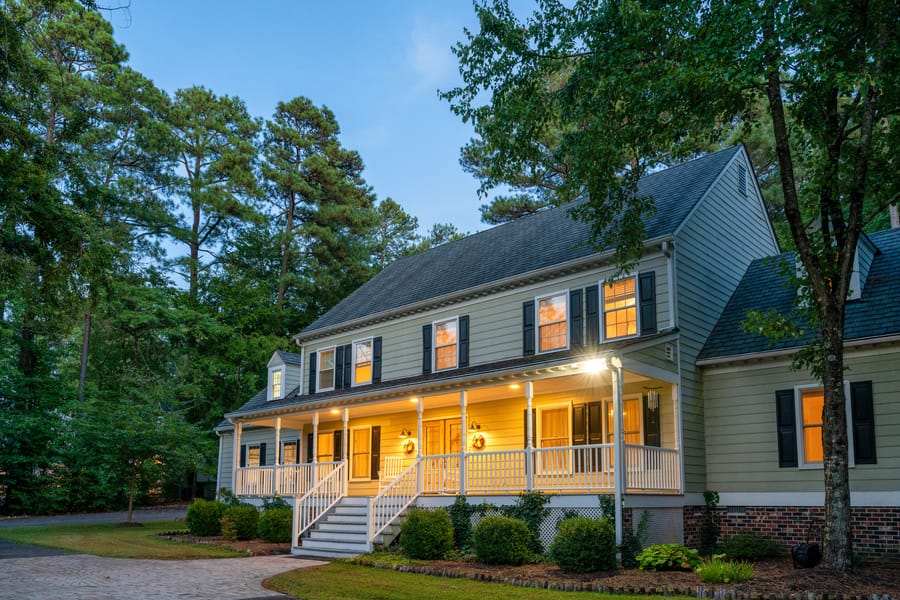
The Shenandoah Valley is famous for its rolling hills, limestone caverns, and a collection of historic homes that tell the story of Virginia’s development. From the Victorian estates in Staunton to the classic farmhouses dotting the landscape near Winchester and Harrisonburg, these older properties offer a level of craftsmanship and character that modern builds rarely match. However, the plumbing systems hidden behind those lath and plaster walls often present a different story.
At Fixed HVAC & Plumbing, we have spent years navigating the tight crawlspaces and unique architecture of our region’s historic homes. We understand that working on a house built in the early 1900s is not the same as working on a new subdivision. In an older Shenandoah Valley home, the plumbing is frequently a mixture of original materials, mid-century upgrades, and DIY repairs. This guide explores the most common plumbing issues found in our local historic properties and what homeowners can do to preserve these architectural treasures.
The Evolution of Pipe Materials and Their Risks
The biggest challenge in older homes is the presence of pipe materials that have either reached the end of their lifespan or were never safe to begin with. In the Valley, we see several distinct eras of plumbing that each bring their own set of problems.
Galvanized Steel Corrosion
Common in homes built before the 1960s, galvanized steel pipes were once considered the gold standard. They are coated with a layer of zinc to prevent rust, but after sixty or seventy years, that zinc has almost certainly worn away.
-
Internal Blockages: As the zinc disappears, the inside of the pipe begins to rust. This creates a rough, scaly surface that catches hair and debris. Over time, the internal diameter of the pipe narrows, leading to a permanent drop in water pressure.
-
Discolored Water: If your water looks orange or brown for a few seconds after turning on the faucet in the morning, you are seeing the literal oxidation of your plumbing system.
-
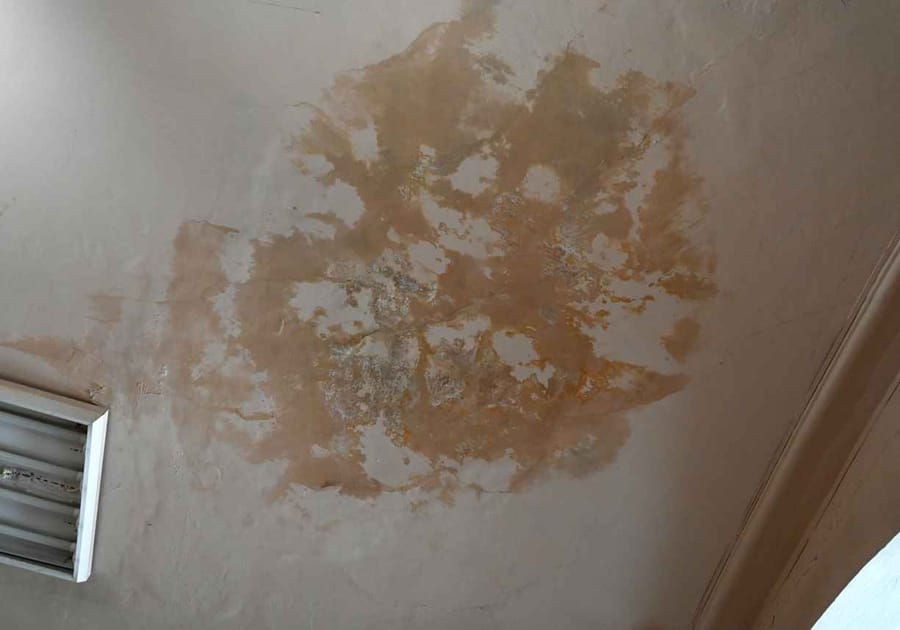
Pinhole Leaks: Rust eventually eats all the way through the metal. These leaks often start as tiny drips behind walls that can go unnoticed for months, causing wood rot and mold.
The Legacy of Lead and Cast Iron
Many historic homes in our area still contain original lead piping or lead solder used in joints. This poses a significant health risk, especially for children. Additionally, cast iron was the primary choice for main sewer lines for decades. While cast iron is incredibly strong, it is susceptible to channeling, where the bottom of the pipe wears away due to years of water flow, allowing sewage to leak into the soil beneath your home.
Tree Root Intrusion and the Limestone Landscape
The Shenandoah Valley is known for its lush vegetation and large, ancient trees. While these trees provide shade and beauty, their root systems are the natural enemies of older sewer lines.
Thirsty Roots in Historic Neighborhoods
Older sewer lines were often made of clay or cast iron and joined with mortar or simple gaskets. These joints are not watertight against the pressure of growing roots.
-
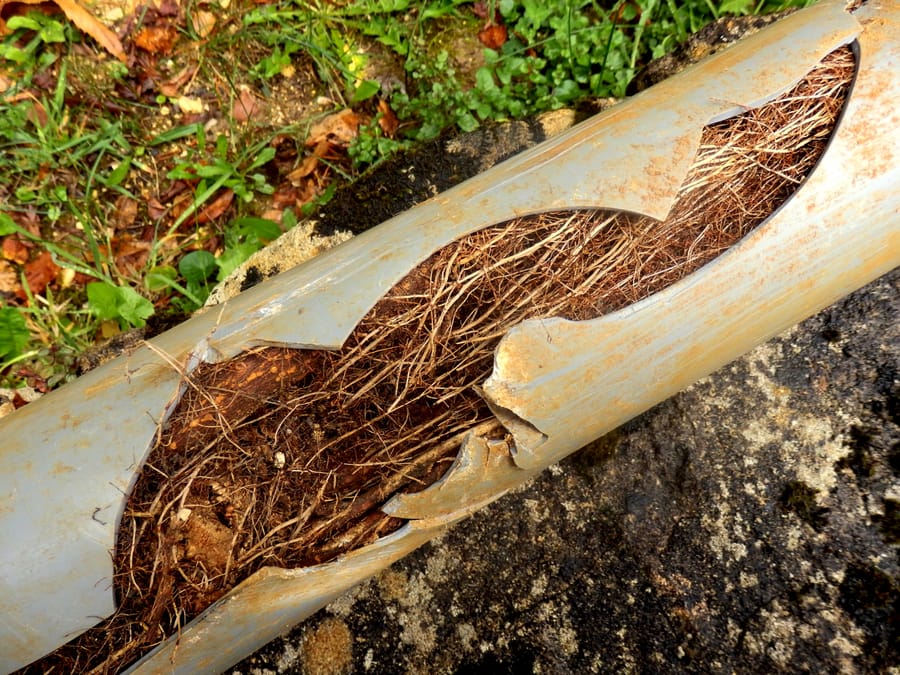
Microscopic Entry: Roots can sense the moisture and nutrients inside a sewer line. They enter through tiny gaps in the joints and then expand rapidly once they find the steady water source inside.
-
The Root Plug: Once inside the pipe, the roots create a thick mat that catches grease and waste. This leads to frequent backups that standard drain cleaners cannot resolve.
-
The Limestone Factor: In our region, the rocky limestone soil can shift and put pressure on brittle clay pipes. When a pipe cracks due to soil movement, it creates a doorway for roots to enter and take over the system.
Outdated Plumbing Fixtures and Hardware
In many historic homes, the charm lies in the original clawfoot tubs and pedestal sinks. While these fixtures are beautiful, the hardware that connects them to the main system is often a weak point.
Antique Faucet and Valve Failures
Original faucets were not designed with modern water pressure in mind. Many were built to handle the lower pressures provided by local wells or early municipal systems.
-
Seat and Washer Wear: Older faucets use a system of washers and seats to stop the flow of water. These components dry out and crack over time, leading to constant drips that can waste hundreds of gallons of water per year.
-
Stuck Main Shut Off Valves: This is perhaps the most dangerous issue in an older home. If your main water shut off valve is the original gate valve, it may have seized up due to mineral buildup. In an emergency, such as a burst pipe, being unable to turn off the water can lead to catastrophic flooding.
Mismatched Piping (Galvanic Corrosion)
Over the decades, different owners may have repaired the plumbing with whatever was available. A common mistake we see is the direct connection of a copper pipe to a galvanized steel pipe. Without a specialized fitting called a dielectric union, these two metals will react with one another. This causes a chemical reaction that accelerates corrosion at the joint, leading to a sudden and messy failure.
The Challenges of Hard Water in the Valley
The Shenandoah Valley’s geology is rich in limestone, which means our groundwater is very hard. This high mineral content is particularly tough on older plumbing systems.
Scale Buildup in Old Pipes
Calcium and magnesium minerals in the water eventually solidify into a hard crust known as scale. In modern homes with plastic pipes, this is less of a concern, but in older metal pipes, scale accumulates rapidly.
-
Water Heater Efficiency: Hard water is the primary killer of water heaters in our region. In older homes, the water heater has to work harder to heat water through a layer of mineral rock at the bottom of the tank.
-
Fixture Clogging: Showerheads and aerators in older homes often become clogged with white mineral deposits, which further reduces the water pressure that is already struggling through galvanized pipes.
Preserving Your History with Modern Solutions
Owning a historic home in the Shenandoah Valley does not mean you have to live with unreliable plumbing. At Fixed HVAC & Plumbing, we believe in using modern technology to protect the integrity of older structures.
Video Camera Inspections
The most valuable tool for an older home is a sewer camera inspection. We can travel through your main line and see exactly where the roots have entered or where the cast iron has begun to fail. This allows us to create a surgical repair plan rather than digging up your entire historic lawn or garden.
Trenchless Pipe Lining
In many cases, we can repair an older sewer line without any excavation. Trenchless technology allows us to pull a new, durable liner through the existing pipe and cure it in place. This creates a brand new pipe inside the old one, sealing off all leaks and root entry points without disturbing your foundation or landscaping.
Strategic Repiping
If your home is still running on galvanized steel, it is time to consider a repipe. We often use PEX piping for older homes because it is flexible. This allows our technicians to fish the new lines through your existing walls with minimal impact on your historic lath and plaster, avoiding the need for large, messy holes.
Schedule Your Historic Plumbing Assessment with Fixed HVAC & Plumbing
Do not let outdated plumbing put your historic home at risk. The experts at Fixed HVAC & Plumbing are ready to help you navigate the unique challenges of older systems. From high definition camera inspections to modern repiping solutions, we provide the honest, professional service you need to protect your investment.
Contact us today to schedule your plumbing assessment and keep your historic home running smoothly for years to come.