Proudly Serving Augusta, Rockingham, Albemarle Counties and surrounding areas


Tank vs. Tankless Water Heaters for Shenandoah Valley Households

Hot water is something we all rely on every single day. Whether you are washing a mountain of dishes after a family dinner, running a load of laundry, or stepping into a warm shower on a freezing winter morning, you expect hot water to flow the moment you turn the tap. But if your home water heater is getting old, starting to leak, or constantly leaving you with a freezing cold surprise mid-shower, it is time to start looking at a replacement.
For homeowners living in Waynesboro, Staunton, Harrisonburg, and across the Shenandoah Valley, choosing a new water heater usually comes down to two options: a traditional tank system or a modern tankless upgrade. Both styles have their own pros and cons, and the right choice depends entirely on your family size, your daily routine, and your budget. Fixed HVAC & Plumbing has been helping local families keep their homes comfortable and running smoothly for years. This guide breaks down the simple differences between tank and tankless water heaters in plain English so you can make the right decision for your household.
Traditional Tank Water Heaters: The Tried and True Choice
A traditional water heater relies on a large, insulated metal tank that sits in your basement, garage, or utility closet. These systems usually hold anywhere from forty to eighty gallons of water at a time. The tank constantly heats the water and keeps it hot twenty-four hours a day, so it is ready whenever you need it.
Why Many Local Families Stick with a Tank
While tank systems might seem old-fashioned compared to newer technology, they are still incredibly popular for several very practical reasons:
- Lower Upfront Cost: Traditional tank water heaters are significantly cheaper to buy and install than tankless systems, making them a great option if you need a quick replacement on a tight budget.
- Simple and Familiar Technology: Because these systems are straightforward, they are easy to install, maintain, and repair, which keeps your long-term service costs down.
- Great for Big Initial Bursts of Water: If your household needs to run the dishwasher, a load of laundry, and a shower all at the exact same time, a large tank can dump a massive amount of hot water into your pipes instantly.
- Easy to Swap Out: If you are replacing an old tank with a new model, the hookups are already in place, meaning a professional team can usually get the job done in just a few hours.
Tankless Water Heaters: Endless Hot Water on Demand
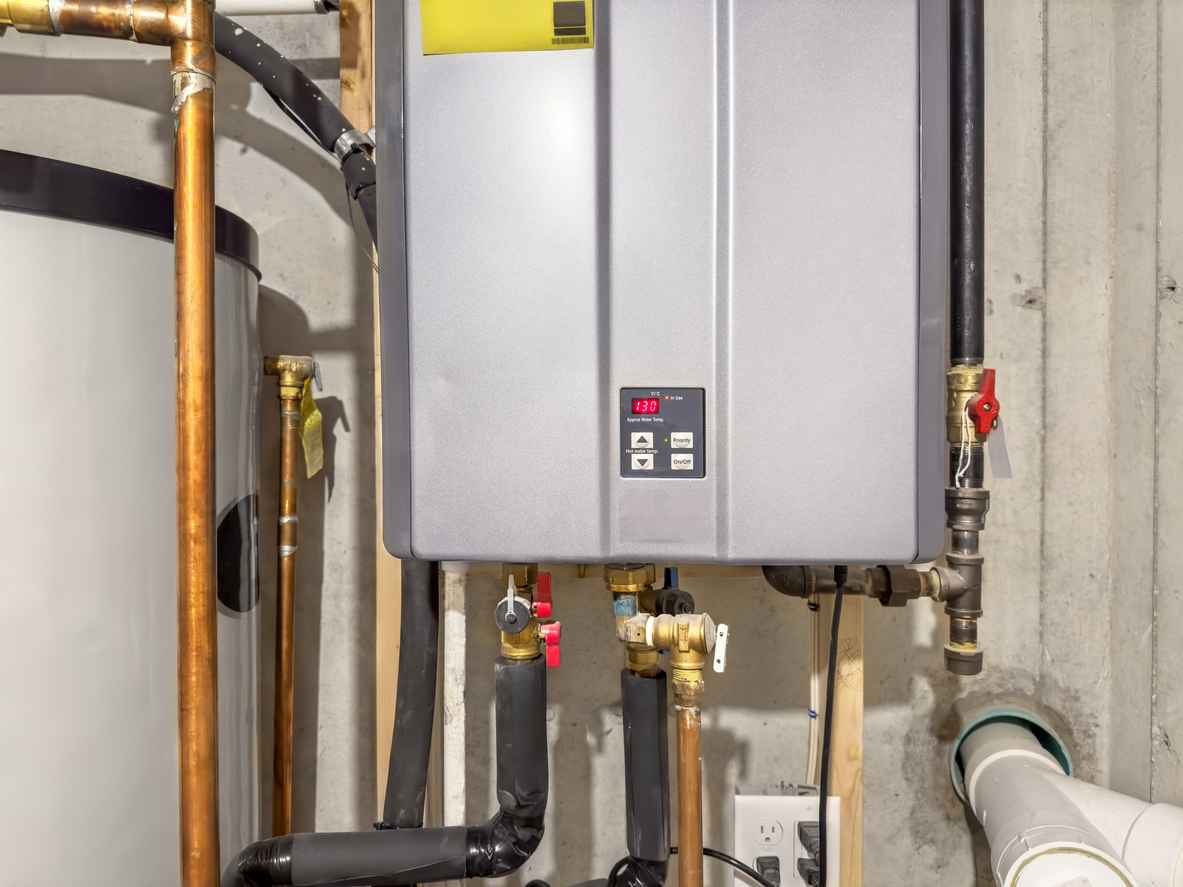
Tankless water heaters do not use a storage tank at all. Instead, they are compact boxes that mount right to your wall. When you turn on a hot water faucet, cold water flows into the unit, and a high-powered gas burner or electric element flash-heats the water instantly.
The Modern Perks of Going Tankless
Upgrading to a tankless system changes how your home handles energy and water usage, offering a few major lifestyle upgrades:
- You Will Never Run Out of Hot Water: Because the system heats water on demand, it will keep running as long as the tap is open. You can take a shower right after your kids take a bath, and the water will stay perfectly warm.
- Lower Monthly Energy Bills: Traditional tanks constantly turn on and off throughout the day and night just to keep stagnant water hot while you are sleeping or at work. Tankless systems only use energy when you actively turn on a faucet, which slashes utility waste.
- Vast Space Savings: Traditional tanks take up a massive amount of floor space. A tankless unit is about the size of a small suitcase and hangs on the wall, completely freeing up your utility room floor plan.
- Longer Equipment Lifespan: A standard metal tank is prone to rusting out from the inside and usually needs to be replaced every ten years. Tankless systems are built with durable parts that often operate reliably for twenty years or more.
The Shenandoah Valley Factor: Hard Water and Cold Winters
Living in our part of Virginia introduces a couple of unique environmental factors that you need to consider before making your final water heater choice. Our local climate and geography actively impact how these appliances perform over time.
Managing Local Mineral Scale and Winter Ground Temperatures
Whether you live in a historic home in Staunton or a busy household in Harrisonburg, our regional water and winter weather require a strategic approach to plumbing maintenance:
- The Battle Against Hard Water: The Shenandoah Valley is famous for its hard water, which is loaded with natural minerals like calcium. These minerals bake onto the inside of your water heater over time, creating a chalky crust that reduces efficiency and shortens equipment life.
- The Necessity of Annual Flushing: Both tank and tankless systems require regular maintenance to survive local hard water. Tanks need to be drained annually to flush out mud-like sediment, while tankless units must be descaled with a special solution to keep the heating coils clean.
- Dealing with Freezing Winter Groundwater: During our mountain winters, the water piped into your home from underground gets exceptionally cold. This means your water heater has to work twice as hard to raise the water temperature up to a comfortable level.
- Sizing for Winter Performance: Because tankless units have to flash-heat freezing groundwater instantly in the winter, you need a professional to size your unit properly to ensure it has enough heating power to keep up during January cold snaps.
Weighing Your Comfort and Budget Goals
Deciding between a traditional tank and a modern tankless water heater comes down to how your family uses water and how long you plan to stay in your home. If you want to keep your upfront installation costs low and you have plenty of room in your basement, a modern, high-efficiency traditional tank system is a dependable, time-tested option that will keep your family perfectly comfortable.
On the other hand, if you have a large family that constantly runs out of hot water, a tight floor plan, or you want to lower your monthly electric and gas bills for the long haul, investing in a premium tankless water heater is a game-changer. It permanently eliminates morning shower arguments, lasts twice as long as a standard tank, and slashes standby energy waste. No matter which direction you choose, partnering with a licensed professional ensures your new system is sized correctly and installed safely up to local building codes.
Upgrade Your Home’s Water Heating Solutions
Upgrading your home water heater shouldn’t come with extra stress or confusing sales pitches. The friendly local team at Fixed HVAC & Plumbing specializes in installing, repairing, and maintaining both tank and tankless water heaters across Waynesboro, Staunton, Harrisonburg, and the surrounding Shenandoah Valley communities. We take the time to look at your home plumbing layout, test your water quality, and provide clear, upfront pricing with zero hidden fees so you can make the right choice for your family budget.
Contact us today to schedule your home water evaluation and keep your hot water flowing smoothly all year long.